
Calculate Your Risks
Is the safe option really that safe?
Provided you've done your own thinking, bet on yourself. Not in a throw-caution-to-the-wind way.Chapter 19, The Big Bold Mindset
Most people thought we were crazy.
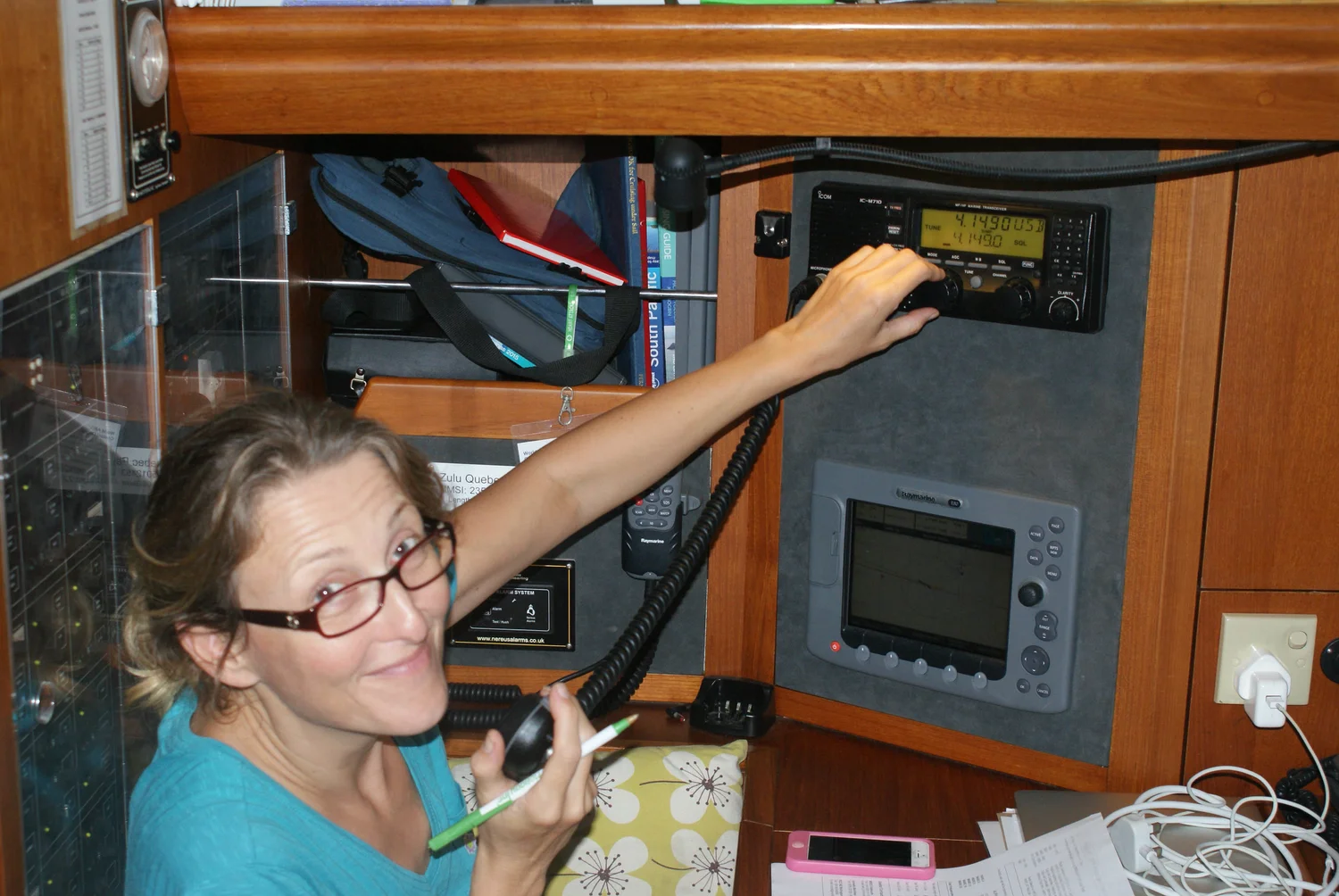
In 2014 my wife and I set off to sail the world with our three children, all under ten. Most people thought we were crazy. Many still do.
We spent years preparing. We listed every single risk and held each one up to the light. Was it real or imagined? How likely was it? What could we do to reduce it? What training did we need?
Only when we'd worked through every risk did we decide to go. It wasn't a leap of faith. It was cold, hard thinking.
How good is your decision-making?
How do you check whether your past decisions were good ones?
Which biases are most likely to be acting on you right now?
What decision are you putting off?
We're bad at judging risk.
Which is the bigger risk: sharks, roads or an unhealthy diet? Most people know the order. Few guess the size of the gaps.
Biases to watch for
Confirmation bias
We look for evidence we're right and miss what says we're wrong.
Anchoring
The first number or story we hear sticks, even when new facts arrive.
Loss aversion
Losing hurts more than winning feels good, so we play too safe.
AlphaGo and move 37
Partway through game two, AlphaGo made a move no human would make. Commentators thought it was an error. It turned out to be the move that won the game.
You'll struggle to out-think an AI. But you can out-think other humans, if you strip out the biases and use cold, hard logic.
There is nothing in life that is risk free.Caspar Craven
The risk list
The same process the Craven family used before sailing the world. Use it on any big decision.
List the options
Including doing nothing. Is the safe option really safe?
List every risk
Don't hold back. Get them all on paper.
Real or imagined?
Hold each risk up to the light. Is it fact or fear?
How likely?
Give each one a rough probability.
Reduce it
What steps, training or resources would lower it?
Decide and learn
Make the call. Afterwards, review how biases played a part.
List the risks on one decision
Take one decision you're putting off. List every risk. Mark each real or imagined, give it a rough probability, and write one step to reduce it.
Strip the bias out of a team decision
Diverse views and open challenge are the best defence against bias.
Want Caspar to take your team through this? casparcraven.com