
The leadership retreat: space for leaders to reset
You're planning a leadership retreat. Unlike a one-day meeting, a retreat gives leaders time: to slow down, to think, and to get to know each other beyond their job titles.
That time is precious when everything is changing. Leaders who are running flat out rarely stop to ask how they're leading, or how they're coping. A retreat is where they can.
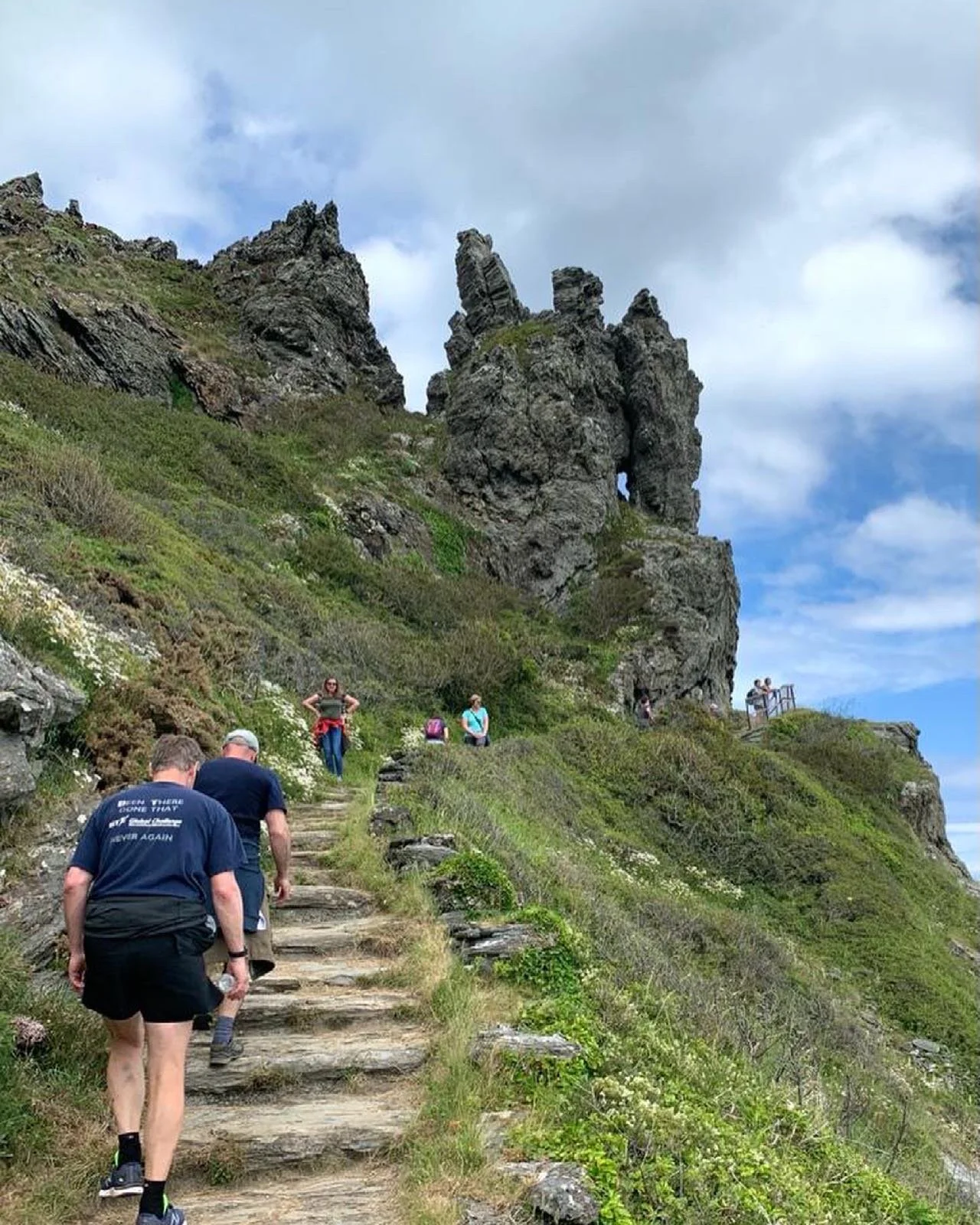
What makes a good leadership retreat?
Time to reflect as well as plan, conversations that go deeper than the day job allows, and space for leaders to connect as people. The best retreats send leaders home clearer, closer as a team and ready to lead through what's coming.
Five things to think about before your leadership retreat
What do your leaders need most? Rest, challenge, connection or direction? A retreat can't do everything. Pick the main one.
How much is work, and how much is reflection? Fill every hour with sessions and you've just moved the office. Leave room to think.
Will people get to know each other? Trust grows over a shared meal and a long walk as much as in a meeting room.
Is it personal as well as professional? Leaders lead best when they lead themselves well. Make room for both.
What comes home with them? Decide how the retreat will show up in the first weeks back.
Why the Big Bold Mindset fits a leadership retreat
The Big Bold Mindset® is a way of thinking for achieving big bold goals in a changing world. Its starting point is simple: you can't navigate a new world using an old set of charts.
It also starts with the leader. Lead yourself first, so you're in the best state possible to go after your goals. A retreat is the rare chance to do that properly.
The Big Bold Mindset® is built on 21 principles, each with a practical tool. These five fit a leadership retreat best.
Five principles for a leadership retreat
Adventure Beyond the Cognitive: we are feeling creatures who think. What are we feeling about the changes ahead?
Construct Your Identity: "that's just not me". Says who? What kind of leader do we each want to become?
Master Your Emotions: master your emotions, or they master you. How do we stay steady under pressure?
Direct Your Attention: your attention is being stolen, so take it back. Where should our attention go?
Build Your Trust: a team is a group of people who trust each other. What builds trust between us, and what erodes it?
Where a keynote fits in a leadership retreat
A keynote often opens a leadership retreat, setting the tone for the days that follow. It gives leaders stories and ideas to reflect on, and a shared language for the conversations ahead.
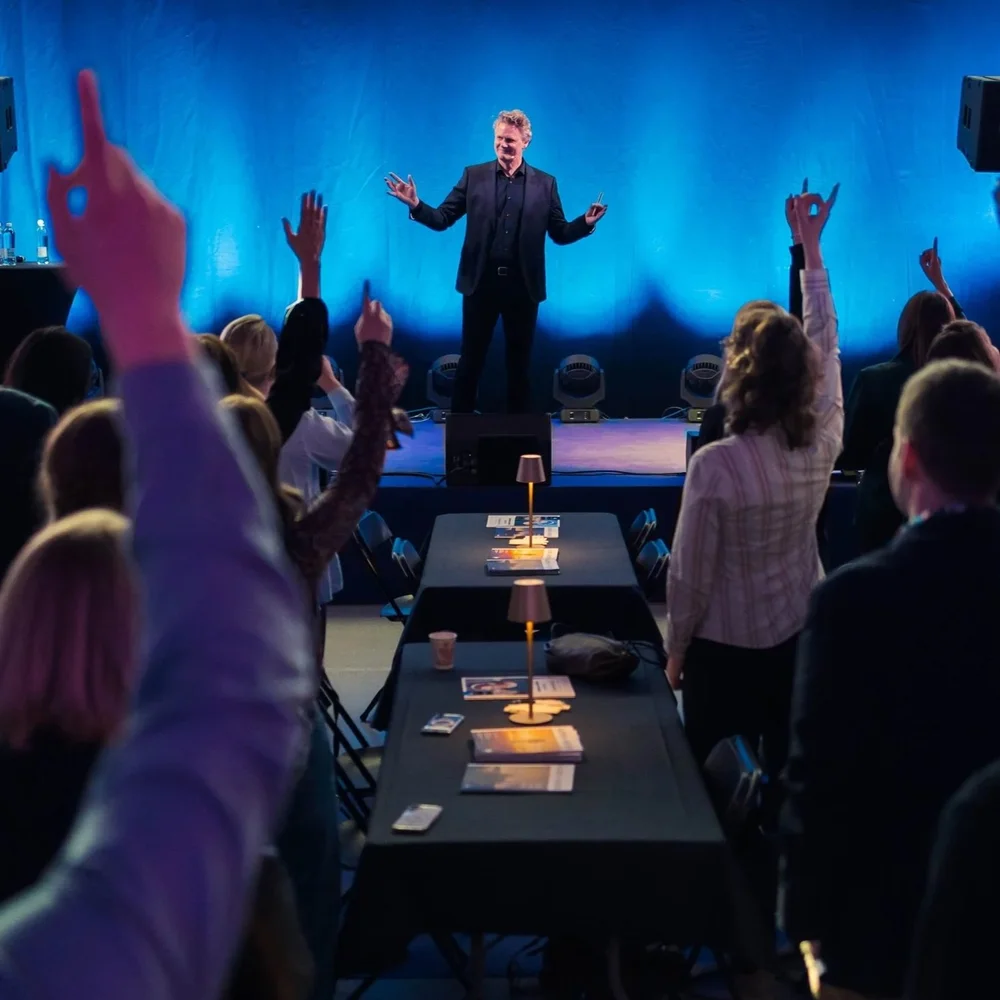
Built for your team, not taken off the shelf
Every audience is different, and every leadership team is facing its own set of issues. So no two of Caspar's keynotes are the same.
Before the day, Caspar does a deep dive into your world: what's changing, what matters most to you, and what you need people to think and do differently. Where it helps, he speaks to several of your senior leaders to get a wide view of what's really going on.
Then he crafts a keynote specifically for your retreat, applying the Big Bold Mindset principles that fit your challenges. Not the talk he gave last week, but one built for your team.
About Caspar Craven
Caspar Craven is the creator of The Big Bold Mindset® and a leadership keynote speaker. He has spoken at events in over 38 countries, for over 400 organisations going through change.
Before speaking, he spent five years at KPMG Corporate Finance, was CFO of a fast-growth tech company through its sale to private equity, and co-founded and sold a tech business. He has sailed around the world twice: first in the BT Global Challenge, then as skipper with his wife and three children under ten.
His lesson from both worlds: put people first and the results will follow. See Caspar's keynotes.
“You truly made a difference. We have our internal yearly talent development program at Tietoevry Payments, a very special program for us as we use it to help grow our future leaders. So when we engage external speakers we always have high expectations... it must be applicable immediately in their professional and personal journeys. Not an easy task, and that is why we would absolutely like to thank and recommend Caspar.”
Caspar has worked with organisations including BAE Systems, Burberry, GSK, Intuit, INEOS Styrolution, Johnson & Johnson, Nuffield Health, Pearson, Sage, Suntory and Thales.
Leadership retreat questions
What is a leadership retreat?
Time away, often two or three days and residential, where leaders step back to reflect, plan and strengthen their relationships as a team.
What's the difference between a leadership retreat and an offsite?
A retreat is usually longer and more reflective. An offsite is often a day or two focused on business decisions.
What should you do on a leadership retreat?
Mix reflection and planning: time on direction, time on how the team works together, and time for leaders to think about how they lead.
How long should a leadership retreat be?
Two to three days is common. It gives time to slow down and for deeper conversations.
Where should you hold a leadership retreat?
Somewhere far enough from the office to switch off, with space to walk, talk and think.
Should a leadership retreat have a keynote speaker?
A keynote at the start sets the tone and gives leaders ideas to reflect on for the rest of the retreat.
How do you make a leadership retreat worthwhile?
Be clear on what leaders need most, protect time for reflection, and agree what happens when everyone gets home.
How do you follow up after a leadership retreat?
Agree a few personal and team commitments, and check in on them a month later.
Can a keynote be tailored to our leadership team?
Yes, and it should be. Caspar starts with a deep dive into your challenges, often speaking to several senior leaders, then builds the keynote around what matters most to your team.
Offsite and retreat guides
Leadership offsites
SLT offsite · Leadership offsite · Executive team offsite · Strategy offsite · Tech leadership offsite · Leadership away day
Leadership retreats
Retreat themes · Retreat ideas · How to plan a retreat · Retreat agenda