Direct Your Attention
Your attention is being stolen. Take it back.
To have a Big Bold Mindset is to be self-aware of where your time and focus is going.Chapter 8, The Big Bold Mindset
Weeks at sea, unplugged. Then the devices came back.
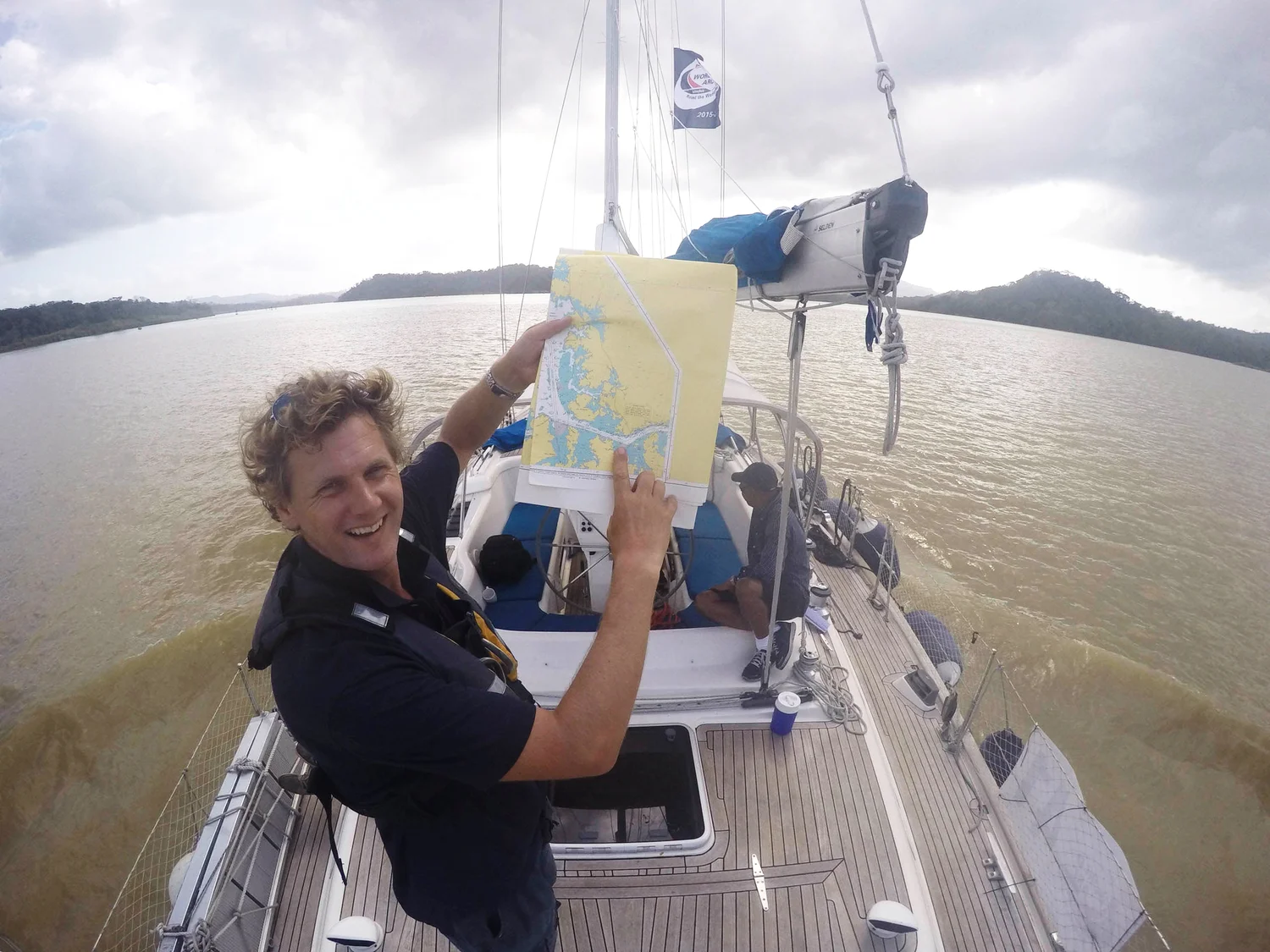
For two years my family and I sailed the world. At sea we were unplugged for weeks and months at a time. We talked more. We played games. We sat around the dinner table together.
The year after we got home was a blitz of reconnection. Phones, iPads, email, social media and Netflix became normal again. A year later we went back to sea for six weeks, and the magic returned: the conversations, the reading, the laughter.
It showed just how corrosive the always-connected lifestyle is. Full disclosure: this is something I still battle with.
Where is your attention really going?
How many hours of deep, focused work do you do in a week?
How much of your day goes on your phone, social media and email?
The average is 31.5 hours a week on a phone. Are you above or below it?
31.5 hours a week on a phone.
In 2022, the average time spent on mobile devices was over 4.5 hours a day (Insider Intelligence). Imagine that time going into your big bold goal.
What the research points to
Shorter attention spans
Excessive social media use is linked with shorter attention spans and poorer performance on thinking tasks.
Designed to hook you
In Stolen Focus, Johann Hari shows how platforms are built to keep us coming back for attention and validation.
The insiders know
In The Social Dilemma, executives from social media companies reveal they strictly limit their own children's access.
Your phone is the most revolutionary productivity device ever made. It's also the most revolutionary unproductivity device.
How leaders protect their focus
Tristan Harris, a former Google design ethicist, founded the Center for Humane Technology to push platforms towards healthier design.
Until that change comes, it's up to each of us to build our own defences. The best leaders treat focus as something to protect on purpose, not something that happens by luck.
What you see is all there is.Put your reminders where you'll see them
The Deep Work Checklist
Two books, one idea. Cal Newport's Deep Work shows how to work without distraction. Atul Gawande's The Checklist Manifesto shows how simple checklists save lives. Put them together: one sheet of paper you tick off every day.
Phone off, out of sight
Switch off the distractions before they switch off your focus.
Time blocked on paper
Block your day in a paper diary, deep work first.
Today's one big goal
Write the most important goal for the day, week or month.
Your working rituals
The habits that get you into your best work, every time.
Breaks in nature
Step outside regularly. Come back sharper.
A shutdown routine
Close the day properly so you can be present at home.
Write your own checklist
Write your own Deep Work Checklist on one sheet of paper. Put it where you'll see it every morning and tick it off every day this week. On Friday, notice how much deep work you got done.
Protect the team's focus
Focus isn't only personal. Teams steal each other's attention all day. Agree how you'll protect it together.
Want Caspar to take your team through this? casparcraven.com