
Figure Out Focus
We don't all look at time the same way.
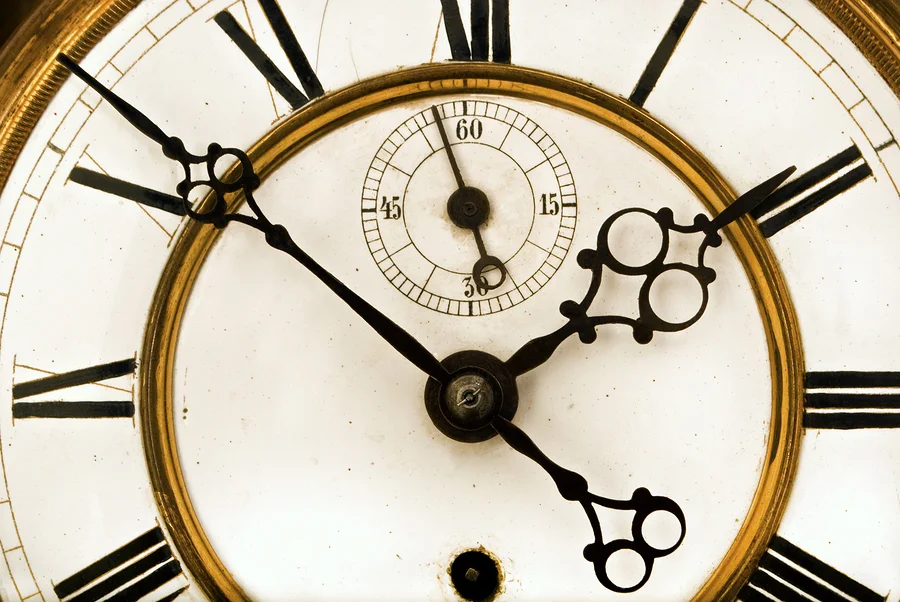
We all see the world through our own lens. It's when we compare lenses that we start to understand ourselves and others better.Chapter 1, The Big Bold Mindset
"But we've always done it this way."
I kept hearing the same words. I'd suggest a new idea, a fresh way of looking at things, and it would be rebuffed straight away. First at home, then at work.
So I asked myself one question: of all my time, energy and focus, how much goes on the past, the present and the future? My answer was 0, 10, 90. Then I asked my wife. Hers was 50, 30, 20.
We thought we were on the same page. We were talking about completely different things. Suddenly it was obvious why we were having so many arguments.
Where does your focus go?
Of all your time, energy and focus, what percentage goes on the past? The present? The future?
Don't overthink it. Scribble down three numbers that add up to 100.
What might have shaped your split? And how unconscious is it?
Our past shapes how we look at time.
In The Body Keeps the Score, psychiatrist Bessel van der Kolk shows how the events we live through leave an emotional imprint. Those imprints shape where our minds go by default.
Why it matters
Unconscious bias
Our time bias sits just beneath the surface. Name it and conversations get easier.
Healthy conflict
Grappling together with hard problems energises a team. Going round in circles drains it.
Not better, just different
No split is right. Each is a protective pattern built from experience.
It's the most human thing to think the world sees things the way you do. It doesn't.
Conscious time dexterity
John Stapleton, founder of the New Covent Garden Soup Company, told Caspar his split is 20, 60, 20. It's a pattern Caspar sees in many successful leaders: healthy future focus, healthy reflection, and most of their energy in the present.
They aren't stuck on a default. They know their bias and flex around it.
Today is the time that you have, and it's time to make things happen.John Stapleton, founder of the New Covent Garden Soup Company
Read your time compass
In talks and workshops Caspar uses three baseball caps: PAST, PRESENT and FUTURE. Here's how to read your numbers, and what to watch for when one cap stays on too long.
High on the past
You learn from experience and spot what's been tried. Watch for: "we've always done it this way."
High on the present
You get things done and use what's in front of you. Watch for: never lifting your head.
High on the future
You see what's coming and get excited by it. Watch for: leaving people behind, or skipping the lessons.
Swap numbers with three people
This week, ask three people at home or at work for their past, present and future split. Share yours. Listen to why theirs is different, without trying to change it.
Get the room looking the same way
Different time lenses explain a lot of friction. Put the numbers on the table and the conversation changes.
Want Caspar to take your team through this? casparcraven.com