
Invest in Learning
It doesn't matter who is right. It only matters what is right.
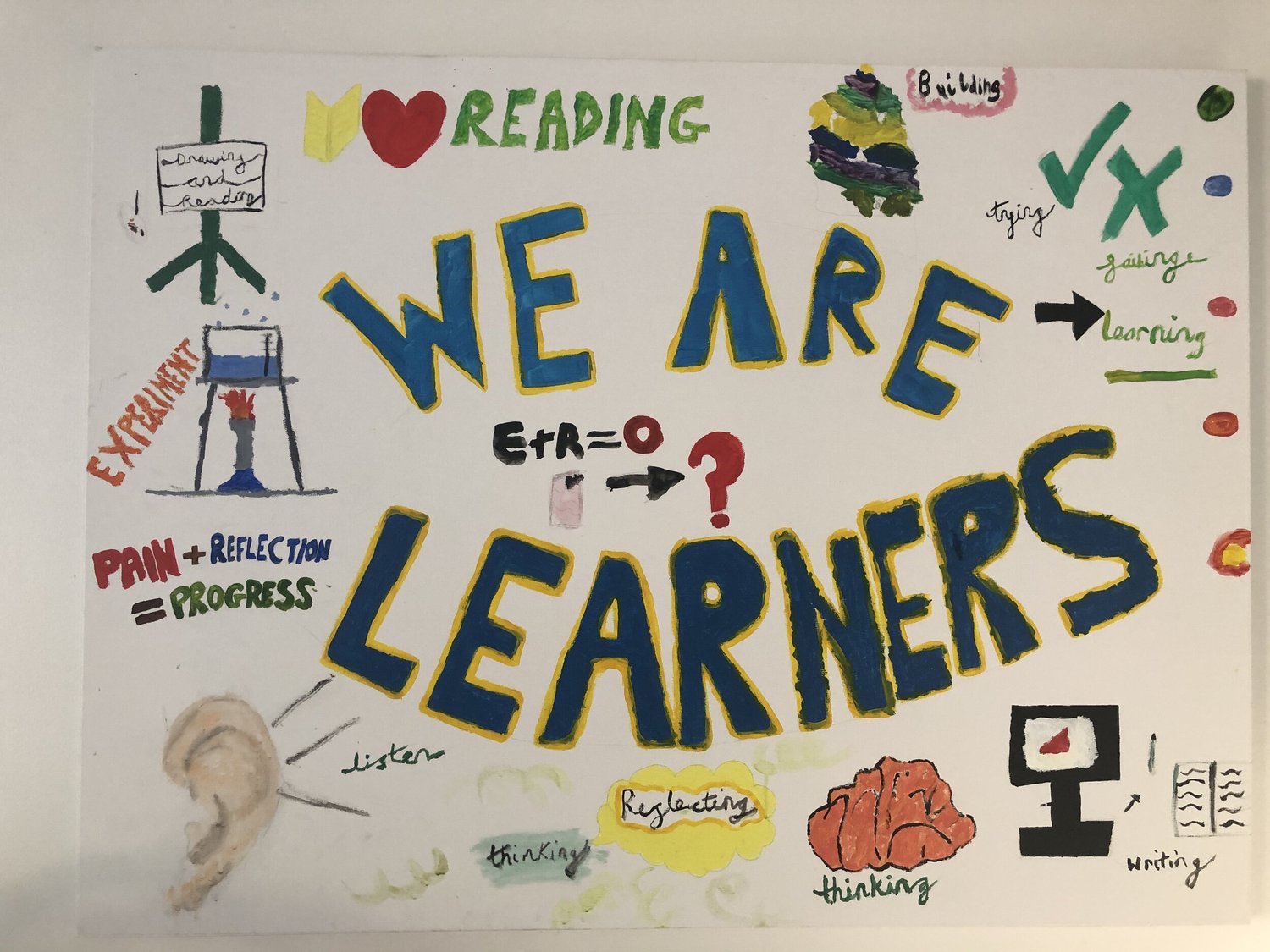
Learning how to learn is the lifelong skill that can unlock the challenges on the path to big bold goals.Chapter 15, The Big Bold Mindset
A failing school learnt circus skills.
Tracey was head of an inner-city London school rated as failing. Her students were smart and resourceful. But they didn't know how to learn: that a first attempt isn't a verdict, that failing is part of it, that they could help each other.
So she found something nobody knew how to do. Students and teachers learnt circus skills together, as complete beginners.
The children watched their teachers struggle, ask for help and keep going. The school went from failing to outstanding results.
How much of a learner are you?
On a scale of 1 to 100, where are you? 1: my talents were set at birth. 100: no limits, I'm a lifelong learner.
Do you look for information that proves you right, or that might prove you wrong?
In your area of expertise, do you know it all, or keep finding how much you don't know?
Your brain keeps changing. So can you.
Psychologist Carol Dweck's research separates a fixed mindset (abilities are set) from a growth mindset (abilities can be developed). Neuroplasticity, the brain's ability to rewire itself, is the science underneath.
Two mindsets
Fixed
Every situation is a test: look smart, don't look dumb. Avoid failure. Stick to what you know.
Growth
Challenges are chances to grow. Setbacks are temporary. Effort is the path.
Never too late
Studies of older adults learning music show improvements in memory and attention, and changes in the brain.
Ray Dalio: from "I'm right" to "how do I know I'm right?"
Hitting bottom began Dalio's journey into humility. Instead of looking for evidence that he was right, he looked for evidence that he was wrong.
He built Bridgewater as an idea meritocracy, where the best idea wins rather than the most senior person's, and where everyone gets constant feedback.
How do I know I'm right?The question Ray Dalio learnt to ask
The beginner's challenge
Learning how to learn is simple. Simple isn't the same as easy. Pick something where you have zero expertise.
Choose
A sport, a language, a craft. Something new that interests you.
Find a teacher
Book an instructor and commit to the process.
Keep a notebook
Track your progress and where you struggle.
Watch yourself
Do you lean into failure with curiosity, or look for reasons to quit?
Book the first lesson
Pick a skill you've never tried. Book the first lesson this week, start a notebook, and write down how you feel after it.
Learn something together
Like Tracey's school, find something nobody in the team can do yet, and learn it side by side.
Want Caspar to take your team through this? casparcraven.com